
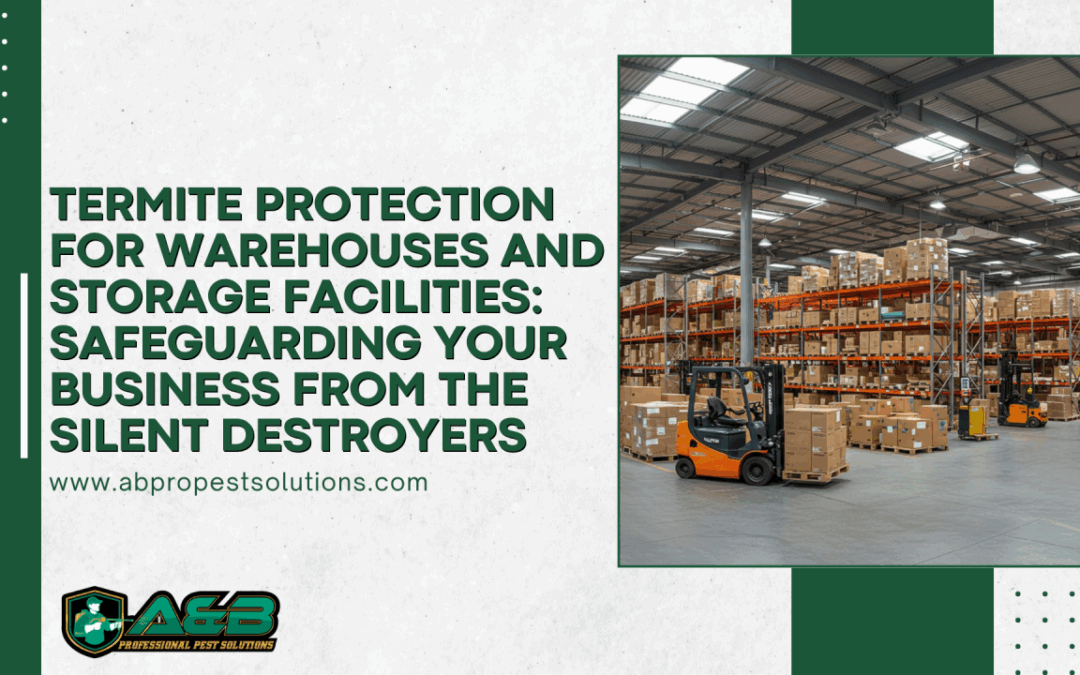
Warehouses and storage facilities are the backbone of many industries — serving as the critical link in storing goods, materials, and equipment that keep businesses running. However, one of the most underestimated threats to these large-scale structures isn’t visible at first glance. It’s small, silent, and destructive: termites.
While termites are often associated with residential damage, commercial and industrial properties face just as much — if not more — risk. A termite infestation in a warehouse can compromise structural integrity, ruin stored products, and disrupt operations, leading to significant financial and reputational losses.
Why Termites Are a Serious Risk for Warehouses
Warehouses offer termites everything they need to survive — shelter, moisture, and food sources. The sheer size of these buildings and the materials used in their construction make them ideal environments for termite activity.
Subterranean termites, the most common species in the Philippines, live underground and can enter buildings through cracks in foundations, utility conduits, and flooring joints. Once inside, they tunnel through wood and cellulose-based materials, feeding silently for months or even years before detection.
Contributing factors include:
- Humidity and moisture: Roof leaks, plumbing issues, or poor drainage provide the damp environment termites crave.
- Wooden pallets and storage racks: These often serve as both food and nesting sites.
- Cardboard and paper packaging: Termites feed on cellulose, putting packaging materials and boxes at constant risk.
- Poor building maintenance: Cracks, gaps, and untreated wood make for easy termite access points.
Even concrete or steel-structured warehouses aren’t completely safe — termites can infiltrate through expansion joints and attack the wooden elements inside, such as beams, skirting, or shelving.
The Hidden Costs of Termite Damage
Termite damage isn’t just about what you can see. It’s about the unseen costs that ripple through your operations.
Once a colony establishes itself, termites can consume structural timber, packaging materials, and stored goods without immediate signs. By the time damage becomes visible — hollow wood, sagging floors, peeling paint, or mud tubes along walls — the infestation is already severe.
Business impacts may include:
- Costly structural repairs: Replacing infested wood, floors, and walls.
- Product losses: Damaged goods and packaging, especially in food and paper-based industries.
- Operational downtime: Temporary closures for treatment and repairs.
- Regulatory and insurance issues: Violations of safety standards and potential loss of coverage if preventive measures aren’t documented.
- Reputational harm: Clients and partners may lose confidence in a compromised facility.
How to Protect Warehouses from Termite Infestations
Proactive termite management is the only way to protect your warehouse and its contents from damage. Prevention, regular inspection, and early detection are key.
1. Pre-Construction Termite Treatment
If your warehouse is under construction or renovation, applying soil treatment during the building phase is the first line of defense. This process creates a protective chemical barrier in the soil to stop termites from entering the structure from below.
2. Routine Inspections and Monitoring
Regular inspections by trained pest control experts help identify early warning signs. Systems like iTraker by A&B Professional Pest Solutions offer smart termite tracking and detection, providing detailed inspection data and reports to ensure accurate monitoring.
3. Installation of Baiting Systems
Termite bait stations, strategically placed around the warehouse perimeter, are a proven method for long-term control. Termites feed on the bait and bring it back to the colony, effectively eliminating the entire population over time.
4. Moisture and Sanitation Control
Since termites thrive in moist conditions, maintaining a dry environment is crucial. Repair leaking pipes, seal roof drips, and ensure proper drainage around the facility. Regular cleaning also removes debris and cardboard piles that could attract termites.
5. Structural Maintenance
- Seal cracks and expansion joints.
- Replace damaged wood promptly.
- Store wooden pallets off the ground.
- Use treated or metal shelving whenever possible.
6. Documentation and Compliance
Maintaining inspection logs, service reports, and treatment records helps demonstrate compliance with health and safety regulations. This documentation can also support insurance claims or certifications for food safety and warehouse management standards.
Partnering with Experts for Long-Term Termite Protection
Warehouse termite control isn’t a one-time project — it’s an ongoing process that requires expertise, precision, and consistency.
A&B Professional Pest Solutions specializes in comprehensive termite protection programs for industrial and commercial facilities. Using a combination of eco-friendly treatments, advanced monitoring systems, and data-driven solutions like iTraker, A&B ensures your warehouse remains termite-free all year round.
From pre-construction protection to post-treatment maintenance, A&B’s experienced technicians are trained to detect vulnerabilities, apply safe yet effective treatments, and recommend preventive measures that protect your structure, products, and business continuity.
Protect Your Warehouse — Protect Your Business
A termite-free warehouse is a secure, compliant, and efficient warehouse. Don’t wait until termites cause visible damage before taking action. Preventive termite management is a small investment that saves you from massive repair costs and operational disruption.
To know more about A&B’s services, please visit the A&B’s website (www.abpestsolutions.com.ph) or Facebook Page (https://www.facebook.com/ABPestSolutions/) to know more about their services. A&B also disinfects workplaces or houses to kill COVID-19 Virus.
You may also contact: +63 905 496 4550 and +63 951 062 4830
A&B Professional Pest Solutions Corporation is located at the Ground Floor of Monterey Building at Genesis St., Centro de San Lorenzo, Santa Rosa, 4026 Laguna, Philippines