
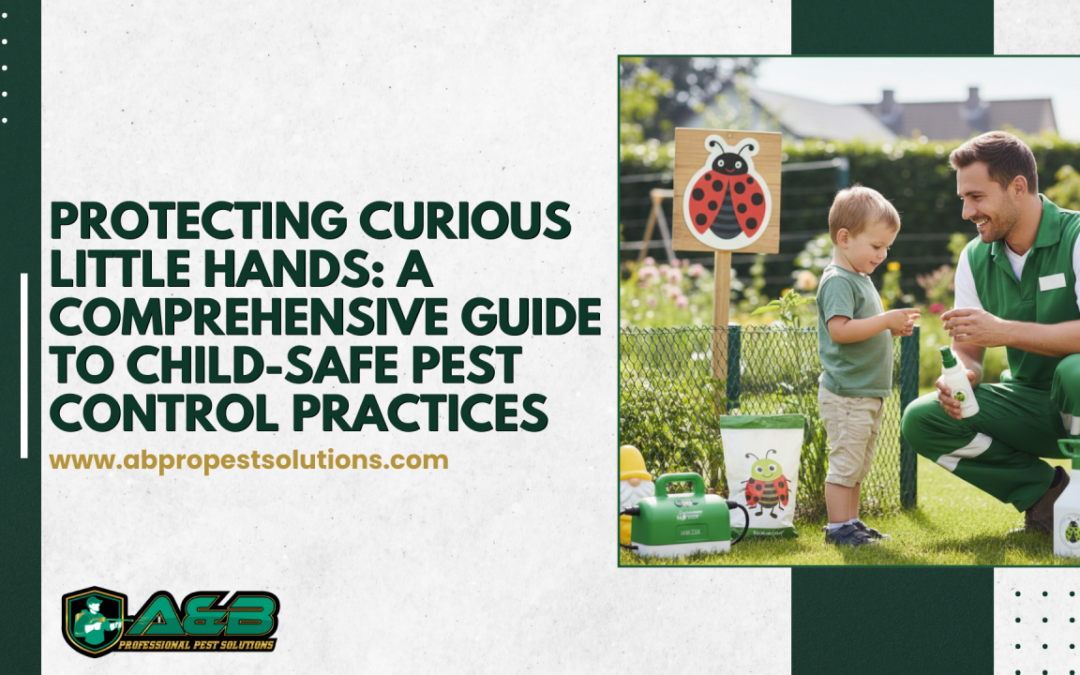
Children interact with their environment differently than adults. They crawl, sit, lie down, touch surfaces frequently, and explore objects with their hands and mouths. Because of this behavior and their developing biological systems, children are more susceptible to environmental contaminants — including improperly applied pesticides.
Creating a pest-free space where children live, learn, and play requires a strategic, regulated, and professionally executed approach to pest management.
Why Children Are More Vulnerable to Pesticide Exposure
Understanding the risk is the first step toward prevention.
1. Developing Organs and Systems
Children’s:
- Nervous systems
- Respiratory systems
- Immune systems
are still developing. Certain chemical exposures, even at low levels, may have stronger effects compared to adults.
2. Higher Exposure Rates
- Children breathe faster than adults.
- They spend more time on floors where residues may settle.
- Hand-to-mouth behavior increases ingestion risk.
3. Lower Body Weight
Because of smaller body mass, the same level of exposure may represent a higher dose per kilogram of body weight.
For these reasons, pest control in homes, schools, daycares, playgrounds, and pediatric facilities must follow enhanced safety standards.
What “Child-Safe” Pest Control Really Means
Child-safe does not mean chemical-free. It means:
- Using products approved by national regulatory authorities
- Applying only the minimum effective quantity
- Choosing low-toxicity, low-odor, and reduced-risk formulations
- Avoiding broadcast spraying in active child areas
- Following strict re-entry and ventilation guidelines
It also means prioritizing prevention and non-chemical controls before considering pesticide use.
Integrated Pest Management (IPM): The Foundation of Child-Safe Practices
IPM is a structured, evidence-based approach that reduces reliance on chemical treatments.
Core Components of IPM:
1. Inspection & Monitoring
- Identify pest species accurately
- Determine infestation level
- Locate breeding areas and entry points
- Use monitoring traps to assess activity
Correct identification prevents unnecessary or incorrect chemical application.
2. Sanitation & Environmental Controls
Many pest problems are preventable through environmental adjustments:
- Proper food storage in sealed containers
- Daily waste disposal
- Cleaning under appliances
- Fixing plumbing leaks
- Managing outdoor vegetation
- Eliminating standing water
Reducing food, water, and shelter eliminates the root cause of infestation.
3. Exclusion & Structural Repairs
Preventing pest entry is critical in child-focused spaces:
- Sealing cracks and crevices
- Installing door sweeps
- Repairing window screens
- Sealing utility entry points
- Maintaining proper drainage
Exclusion reduces the need for repeated chemical treatments.
4. Targeted Treatment When Necessary
When pest populations exceed safe thresholds, professional treatment may be required.
Safer treatment strategies include:
✔ Crack-and-Crevice Applications
- Applied directly into hidden voids instead of exposed surfaces.
✔ Gel Baits
- Placed in controlled, inaccessible locations to eliminate pests at the colony level.
✔ Tamper-Resistant Bait Stations
- Locked and secured to prevent child access.
✔ Insect Growth Regulators (IGRs)
- Disrupt pest reproduction with minimal environmental impact.
✔ Reduced-Risk Formulations
- Products designed to degrade quickly and minimize residual exposure.
Special Considerations for Different Environments
1. Homes with Infants & Toddlers
- Remove toys, bottles, and utensils before treatment
- Follow re-entry times strictly
- Avoid floor-level broadcast spraying
2. Daycare Centers & Schools
- Schedule treatments after operating hours
- Provide written documentation of products used
- Notify parents when required by regulation
- Maintain pest monitoring logs
3. Healthcare & Pediatric Facilities
- Follow stricter sanitation protocols
- Avoid aerosol applications in patient areas
- Prioritize non-chemical controls whenever possible
Safe Re-Entry and Post-Treatment Guidelines
After professional treatment:
- Allow treated areas to dry completely
- Ventilate rooms properly
- Avoid immediate mopping of treated cracks or crevices
- Wash children’s hands regularly
- Store pesticides securely out of reach
Clear communication between pest control providers and clients ensures safe reintegration.
Common Myths About Child-Safe Pest Control
Myth 1: “Natural products are always safe.”
- Natural does not automatically mean non-toxic. Some botanical products can still cause irritation or allergic reactions.
Myth 2: “More chemical means faster results.”
- Overapplication increases risk without improving effectiveness.
Myth 3: “If I don’t see pests, there’s no problem.”
- Early-stage infestations often go unnoticed. Monitoring is essential.
Choosing a Responsible Pest Control Provider
When selecting a provider, ask:
- Are your technicians licensed and certified?
- Do you follow Integrated Pest Management protocols?
- What products will be used?
- What are the re-entry times?
- Do you provide documentation and safety guidelines?
A professional company should be transparent and proactive about safety.
A&B Professional Pest Solutions follows strict safety standards, implements IPM-based strategies, and ensures clear communication and proper documentation to protect families — especially children — while delivering effective pest control results.
Long-Term Benefits of Child-Safe Pest Control
Implementing structured, child-safe pest management:
- Reduces health risks
- Prevents recurring infestations
- Minimizes chemical exposure
- Supports regulatory compliance
- Protects reputation for schools and businesses
- Promotes a healthier indoor environment
Safe pest control is not just about eliminating pests — it is about responsible environmental management.
Conclusion
Children deserve environments where they can explore, learn, and grow without unnecessary exposure risks. Effective pest management does not require excessive chemicals — it requires expertise, strategy, and accountability.
By prioritizing prevention, precise application, and strict safety protocols, families and facilities can maintain pest-free spaces without compromising the health of curious little hands.
To know more about A&B’s services, please visit the A&B’s website (www.abpestsolutions.com.ph) or Facebook Page (https://www.facebook.com/ABPestSolutions/) to know more about their services. A&B also disinfects workplaces or houses to kill COVID-19 Virus.
You may also contact: +63 905 496 4550 and +63 951 062 4830
A&B Professional Pest Solutions Corporation is located at the Ground Floor of Monterey Building at Genesis St., Centro de San Lorenzo, Santa Rosa, 4026 Laguna, Philippines